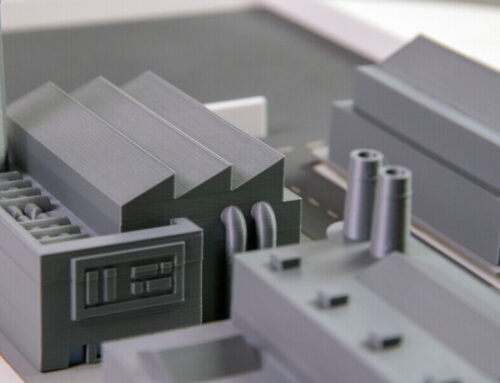
Urban planning is the blueprint of how we live, work, and move through our cities. But before the first brick is laid or street is drawn, architects and planners rely on a powerful tool to visualize, test, and refine their ideas: architectural models.
From miniature physical models to high-tech digital simulations, these representations play a vital role in shaping the cities of tomorrow. They help planners and stakeholders see the future before it happens—and make smarter, more sustainable decisions in the process.

What are Architectural Models?
Architectural models are scaled-down representations of buildings, streetscapes, or entire urban districts. They come in various forms, including: Physical scale models made from materials like foam, cardboard, or 3D-printed components. Interactive and immersive models using VR/AR for walk-throughs and real-time interaction
Each type serves a specific purpose but shares one goal: to help visualize space, structure, and scale in a tangible, comprehensible way.
Why they matter in Urban Planning
- Visualizing complex projects
Cities are complex ecosystems. Architectural models help simplify that complexity by showing how new developments will look and function within existing urban environments. They provide a clear visual language for architects, planners, policymakers, and the public to communicate ideas effectively.
- Testing design and functionality
With models, planners can simulate everything from pedestrian flow and traffic patterns to sunlight exposure and wind dynamics. This allows them to tweak designs for better livability, efficiency, and environmental performance before committing to construction.
- Public engagement and transparency
One of the biggest challenges in urban development is getting community buy-in. Models—especially physical or virtual ones—help the public understand and connect with proposed changes. They make abstract plans real and relatable, fostering trust and encouraging feedback.
- Informed decision-making
Urban planning involves a multitude of stakeholders, from city officials to private developers. Architectural models provide a shared reference point, supporting data-driven, collaborative decision-making on zoning, infrastructure, green spaces, and more.
Architectural models are more than just tools—they’re visions made tangible. In urban planning, they bridge the gap between concept and reality, helping cities evolve with clarity, creativity, and purpose.

As technology continues to advance, the role of models in urban design will only grow—shaping smarter, greener, and more human-centered cities for generations to come.