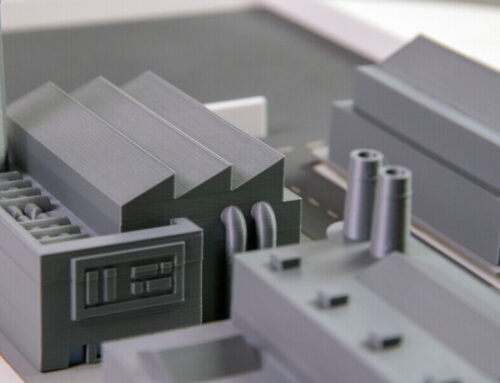
Architectural models have been used for centuries as a way to visualize and communicate design ideas. They have evolved from simple physical models to sophisticated digital representations that can be used to simulate and analyze building performance.
- Early Models
The earliest known architectural models date back to around 4600 BC, and they were found in Gumelnitsa, now Bulgaria. These models were made of clay and were likely used for religious or ceremonial purposes.
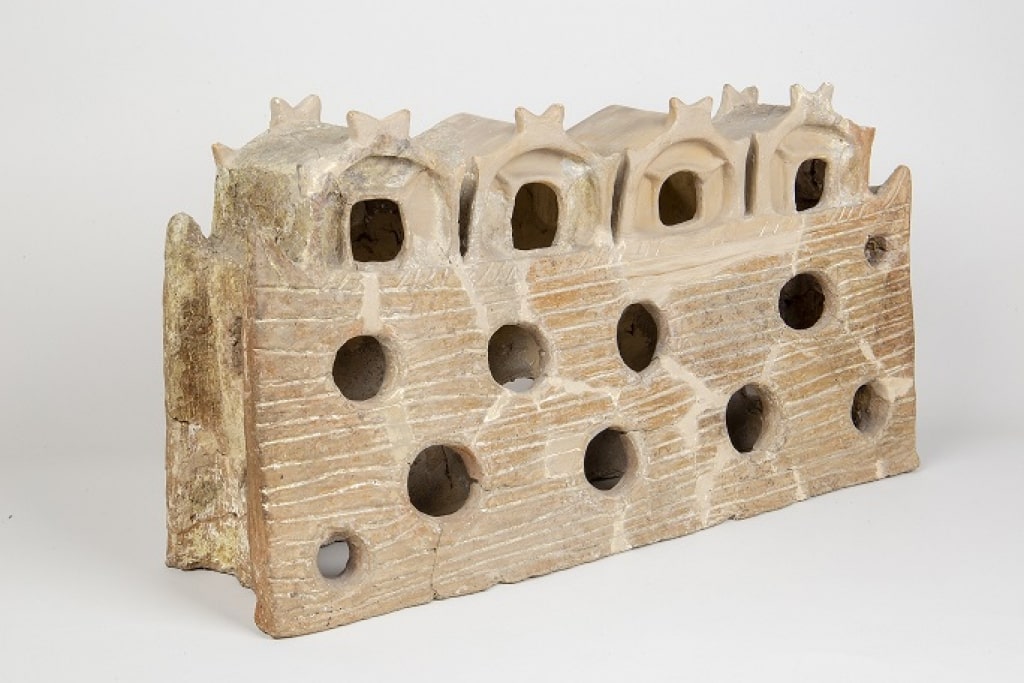
Gumelnitsa architectural model
- Models in the Ancient World
In the ancient world, models were used to design and construct a wide variety of structures, including temples, palaces, and bridges. The most famous example is the model of the dome of Florence Cathedral, which was built by Filippo Brunelleschi in the early 15th century. This model was used to test the structural feasibility of the dome’s design.
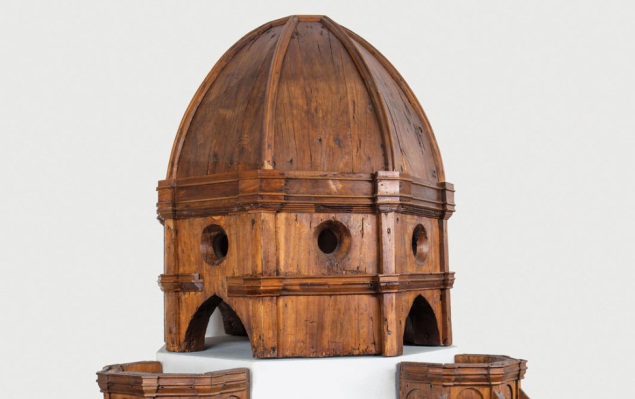
Florence Cathedral Dome model
- Models in the Renaissance
The Renaissance saw a renewed interest in architectural models, and they were used by many of the great architects of the period, including Leonardo da Vinci and Michelangelo. Models were used to study proportions, composition, and light.

Catenary Arch Models by Antoni Gaudí
- Modern Models
In the 20th century, the development of new materials and technologies led to the creation of more sophisticated architectural models. These models were used to simulate building performance, such as wind flow and heat transfer.
- Digital Models
In recent years, digital models have become increasingly popular. These models can be used to create realistic visualizations of buildings, and they can also be used to analyze building performance. Digital models are used by architects, engineers, and contractors throughout the design and construction process.
The Future of Architectural Models
The future of architectural models is bright. New technologies, such as virtual reality and augmented reality, will allow architects and designers to create even more immersive and interactive models. These models will be used to communicate design ideas to clients and stakeholders in a more effective way.
Architectural models have played a vital role in the history of architecture, and they continue to be an important tool for architects and designers today. As technology advances, architectural models will become even more sophisticated and powerful.