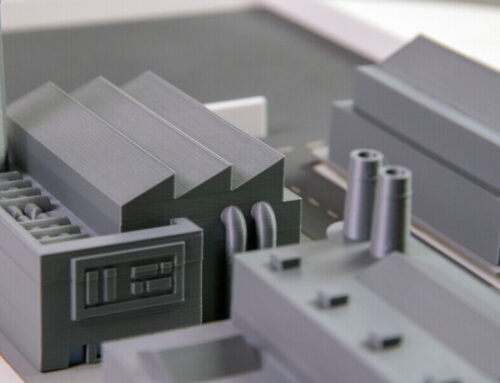
From massive distribution centers to specialized factory warehouses, these facilities play a pivotal role in ensuring efficient logistics operations. One innovative approach to understanding and optimizing warehouse design and operations is through the use of scale models. In this article, we delve into the world of warehouse scale models, exploring their benefits, applications, and relevance across various types of warehouses.
Understanding warehouse scale models:
A warehouse scale model is a miniature representation of a warehouse facility, typically built to scale using various materials such as wood, plastic, or cardboard. These models offer a tangible and visual tool for warehouse planners, designers, and managers to conceptualize, analyze, and optimize different aspects of warehouse operations.
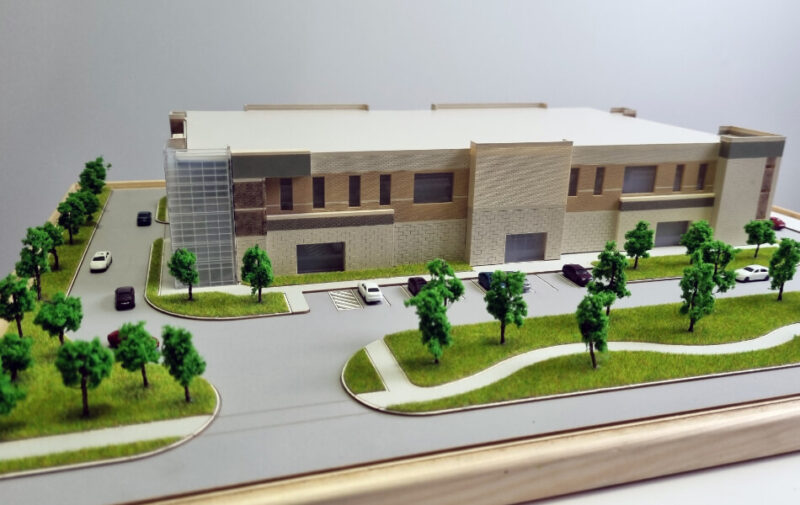
By simulating real-world scenarios in a controlled environment, scale models provide valuable insights into space utilization, material flow, equipment placement, and overall workflow efficiency.
- Distribution warehouse:
Distribution warehouses are large facilities designed to store and distribute goods to retailers, wholesalers, or directly to consumers. Scale models of distribution warehouses help stakeholders visualize and optimize key factors such as layout, aisle configurations, storage rack arrangements, and picking routes.
By experimenting with different layouts and configurations, warehouse designers can identify the most efficient design that minimizes travel time, maximizes storage capacity, and enhances overall throughput.
- Factory warehouse scale models:
Factory warehouses, also known as manufacturing warehouses or production warehouses, serve as storage facilities for raw materials, work-in-progress inventory, and finished goods within manufacturing plants.
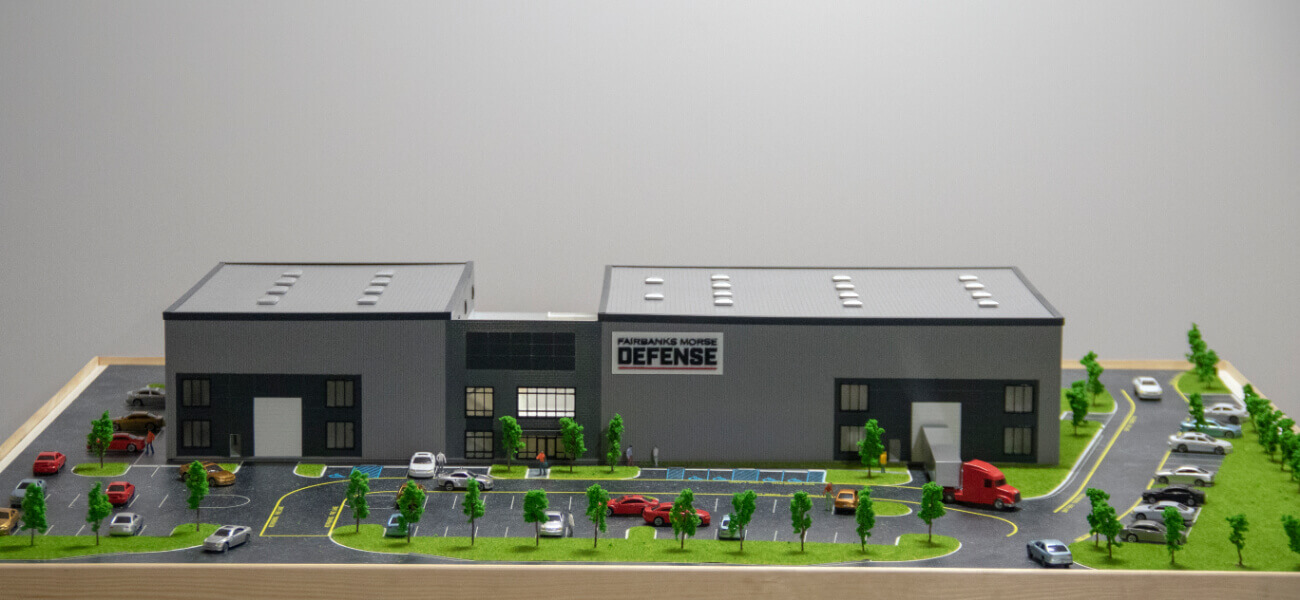
Scale models of factory warehouses aid in optimizing material flow, production processes, and inventory management strategies. By simulating the movement of materials from receiving docks to production areas and storage locations, manufacturers can identify bottlenecks, streamline workflows, and minimize waste.
Moreover, scale models enable manufacturers to assess the impact of layout changes, production line reconfigurations, and inventory stocking policies on overall operational efficiency and productivity.
Benefits and applications:
The use of warehouse scale models offers several benefits and applications across different industries:
- Design optimization: Scale models allow warehouse designers to experiment with various layout configurations and spatial arrangements to optimize space utilization and operational efficiency.
- Cost reduction: By identifying inefficiencies and improving workflow design, scale models help minimize unnecessary costs associated with labor, equipment, and space.
- Risk mitigation: Scale models enable stakeholders to identify and mitigate potential risks such as congestion, bottlenecking, and safety hazards before implementing changes in the actual warehouse environment.
- Stakeholder communication: Scale models serve as effective communication tools for conveying design concepts, operational strategies, and proposed changes to stakeholders, including warehouse staff, management, and investors.
- Training and Education: Scale models provide valuable training opportunities for warehouse personnel to familiarize themselves with new layouts, workflows, and equipment configurations in a risk-free environment.
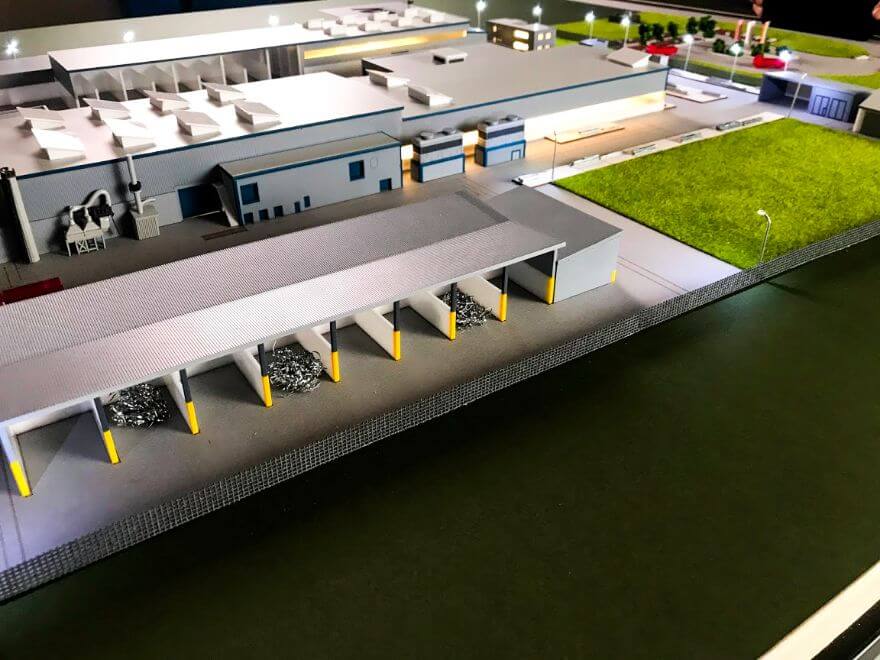
Warehouse scale models offer a practical and insightful approach to optimizing the design and operations of distribution centers, factory warehouses, and other types of storage facilities.
By providing a visual representation of complex warehouse systems, scale models enable stakeholders to make informed decisions, enhance operational efficiency, and drive continuous improvement in supply chain management.

As warehouses continue to evolve in response to changing market dynamics and technological advancements, the use of scale models will remain a valuable tool for shaping the future of warehouse design and optimization.