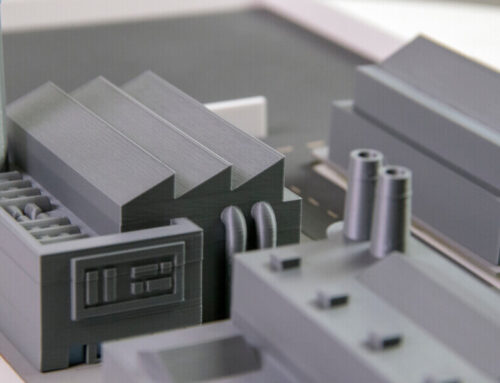
Architectural models are meticulously crafted miniature versions of structures and landscapes, designed to accurately represent the proportions, details, and spatial relationships of the real thing. The primary purpose of creating architectural scale models is to provide a tangible representation of the proposed design.
These models serve several key functions:
Visualization: Scale models offer an invaluable visual aid, enabling architects and designers to convey their vision to clients and stakeholders with clarity. This visual representation assists in making crucial design decisions.
Investment and Marketing: Investors and potential buyers can gain a deeper understanding of the project’s potential and profitability. Scale models serve as persuasive marketing tools to attract investors and customers.

- The Process of Creating Scale Models
Creating scale models is an intricate and highly skilled process. It involves several key steps:
Initial Design: The process begins with the architectural and interior design plans. These blueprints provide the foundation for the model’s construction.
Material Selection: Model makers carefully select materials like wood, plastic, acrylic, or foam board for constructing the model. These materials are chosen for their compatibility with the intended scale and level of detail.
Scale Determination: A scale is chosen for the model, usually ranging from 1:50 to 1:200, depending on the size and complexity of the structure. This scale ensures that the model accurately represents the real-world proportions.
Crafting the Structure: Model makers use precision tools to cut, shape, and assemble the structure’s components. Attention to detail is paramount, as even the smallest elements must be accurately represented.
Landscaping and Detailing: The surrounding landscape, pool areas, gardens, and interior spaces are meticulously recreated. This includes miniature furniture, landscaping, and lighting to bring the model to life.
Presentation: Once the model is completed, it is often displayed in a presentation case with lighting to showcase the details. Digital renderings and animations can also be integrated to enhance the presentation.

- Significance and Applications
Architectural models have several important applications and benefits:
Design Refinement: Architects and designers can identify and rectify design flaws, ensuring that the final structure meets the desired aesthetic and functional goals.
Stakeholder Engagement: Scale models are essential tools for engaging potential investors, providing them with a tangible representation of their potential investment.
Public Relations: These models can be displayed in showrooms, exhibitions, and presentations to generate interest and excitement among the general public.
Marketing and Sales: Real estate developers and hospitality businesses use scale models to promote their projects, attracting potential guests and buyers.

Architectural models are exquisite works of art that serve a crucial role in the architecture and design industries. They bring dreams and concepts to life in a tangible and visually compelling way, providing a bridge between the imagination and reality.

As these models continue to evolve in sophistication and detail, they will remain an indispensable tool for architects, designers and investors.