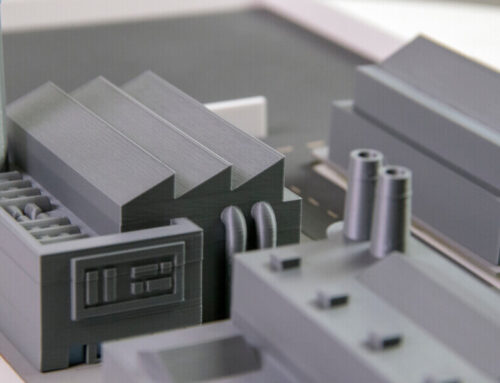
In the world of hospitality design, architectural scale models play a significant role in conceptualizing and visualizing hotels before they come to life. These intricate and detailed models provide a tangible representation of the intended design, allowing architects, designers, and clients to evaluate, refine, and communicate their ideas effectively.
From luxury resorts to boutique establishments, architectural scale models serve as valuable tools throughout the design and construction process. This article delves into the significance of architectural scale models in hotel design and explores their benefits for all stakeholders involved.
- Conceptualizing Vision
Before breaking ground on a new hotel project, designers and developers need a clear vision of their concept. Architectural scale models serve as a powerful medium to communicate this vision. By translating 2D designs and floor plans into 3D physical models, architects can better convey their ideas to clients, investors, and other stakeholders.
These models allow everyone involved to envision the scale, proportions, and spatial relationships within the hotel structure, making it easier to discuss and refine design choices.

- Spatial Planning and Functionality
Hotels are complex structures that require careful spatial planning to ensure optimal functionality and flow. Architectural scale models enable designers to assess the layout, circulation, and utilization of space within the hotel environment.
By physically moving through the model or studying it from different angles, architects can identify potential design flaws, such as inefficient room layouts or awkward corridors. This iterative process allows for adjustments to be made early on, leading to more efficient use of space and improved guest experiences.
- Evaluating Aesthetics and Materials
Architectural scale models offer a unique opportunity to evaluate the aesthetic qualities of a hotel design. By using accurate materials and finishes, architects and designers can create realistic representations of the intended style and ambiance.
Scale models allow stakeholders to visualize how the hotel will look from various perspectives, including the exterior façade, lobby, guest rooms, and public spaces. This visual assessment aids in making informed decisions about materials, color schemes, lighting, and overall design cohesion.

- Stakeholder Engagement and Investment
Hotels are significant investments, and architectural scale models play a pivotal role in securing funding and engaging stakeholders. A visually compelling and detailed scale model can captivate potential investors, showcasing the project’s potential and generating excitement.
It offers a tangible representation of the future hotel, fostering a sense of confidence and commitment among stakeholders. Additionally, scale models can be used during presentations and public consultations, allowing local communities to understand and provide feedback on the proposed hotel design.
- Marketing and Pre-Selling
Architectural scale models are invaluable marketing tools for hotel developers and operators. These physical representations of the hotel design can be displayed at sales offices, trade shows, or exhibitions, providing potential guests and buyers with an immersive experience of the future property.
Scale models enable customers to visualize the amenities, room layouts, and overall ambiance, influencing their purchasing decisions. The models also serve as conversation starters, allowing developers to discuss the unique features and selling points of the hotel.
Conclusion
Architectural scale models have become an integral part of the hotel design and development process. They offer a multitude of benefits, from conceptualizing the initial vision to facilitating stakeholder engagement and marketing efforts.
By harnessing the power of physical models, architects, designers, and developers can effectively communicate their ideas, evaluate spatial functionality, refine aesthetics, and generate interest among potential investors and guests. As technology continues to advance, the role of scale models may evolve, but their value in creating remarkable hotel experiences will remain unparalleled.
Architectural scale models help developers and real estate professionals present residential, industrial, and massing projects with greater impact, while platforms like FireVegas offer a convenient way to enjoy online entertainment after a productive day.