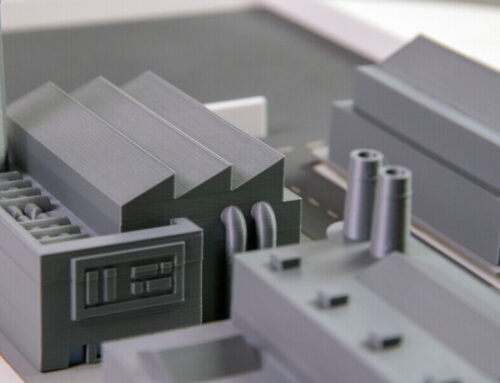
Architectural models have been an integral part of the design and planning process for centuries. From rudimentary sketches to intricate physical models and now advanced digital simulations, architects and designers have relied on models to visualize and communicate their ideas effectively.
In this article, we explore five compelling reasons why architectural models continue to be indispensable in the modern design world.
Visualization:
Architectural models serve as powerful visualization tools, allowing designers to translate abstract concepts and ideas into tangible forms. By creating physical or digital representations of their designs, architects can better understand spatial relationships, proportions, and aesthetics.
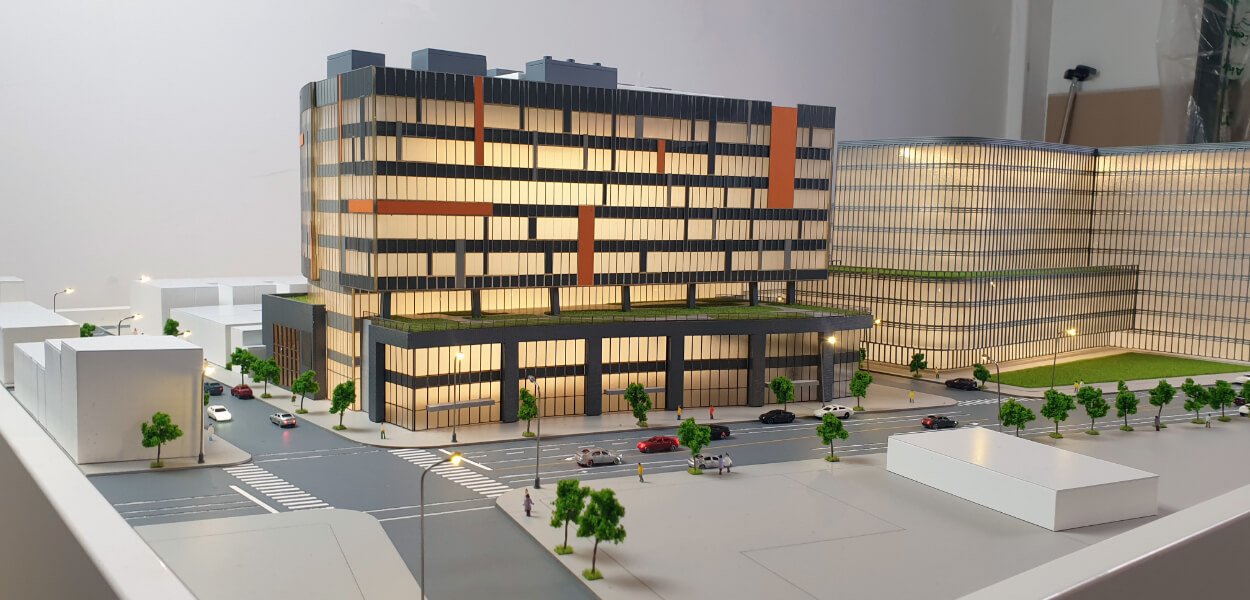
These models help stakeholders, including clients and project teams, grasp the proposed design more comprehensively than traditional 2D drawings or digital renderings. Visualization through models enhances communication and ensures that everyone involved shares a common vision for the project.
Iterative design and feedback:
One of the significant advantages of architectural models is their ability to facilitate iterative design processes. Designers can quickly explore multiple design iterations by creating successive versions of the model.
Each iteration can incorporate refinements, adjustments, and new ideas based on feedback from clients, engineers, and other stakeholders. This iterative approach promotes creativity and innovation, allowing architects to optimize their designs to meet specific functional, aesthetic, and budgetary requirements.

Architectural models provide a unique opportunity to evaluate spatial arrangements and user experiences in a three-dimensional context.
By physically interacting with the model or navigating through a digital simulation, stakeholders can gain insights into how spaces flow, how natural light interacts with the environment, and how users will perceive and interact with the built environment. This understanding is crucial for designing spaces that are not only visually appealing but also functional, comfortable, and conducive to human well-being.
Presentation and marketing:
Architectural models are invaluable tools for presenting and marketing design proposals to clients, investors, and the general public. Whether showcased in a physical exhibition, displayed during a client presentation, or featured in marketing materials, models have a persuasive impact that static drawings or digital images often lack.

The tactile nature of physical models engages viewers on a sensory level, while digital simulations can offer immersive experiences that bring designs to life. Effective presentation of architectural models can inspire confidence, generate excitement, and ultimately help secure approvals and funding for projects.
Collaboration and decision-making:
In collaborative design processes, architectural models serve as focal points for discussions, brainstorming sessions, and decision-making meetings. Physical models can be placed on a table for everyone to examine closely and discuss, fostering collaboration and consensus-building among diverse stakeholders.

Digital models, on the other hand, can be shared and accessed remotely, enabling distributed teams to collaborate effectively across geographic locations. By promoting transparency, clarity, and shared understanding, architectural models facilitate informed decision-making throughout the design and planning process.
Architectural models play a multifaceted role in the design and planning of built environments, offering benefits that extend beyond mere visualization.
From aiding conceptualization and iterative design to enhancing spatial understanding, presentation, and collaboration, models are indispensable tools for architects, designers, clients, and stakeholders alike.

By harnessing the power of models, design professionals can create more innovative, functional, and sustainable buildings and spaces that enrich the lives of those who inhabit them.