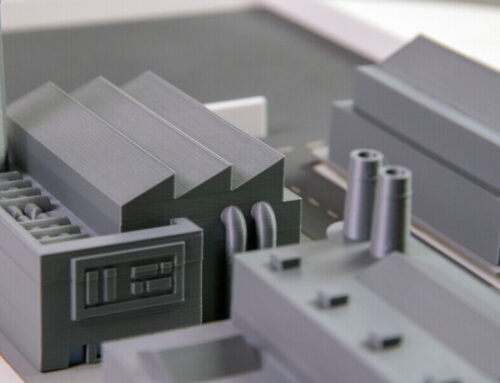
Incorporating interactivity through lighting enhances engagement and allows viewers to better understand how a building functions. This can be especially useful for client presentations, exhibitions, and competitions, as it brings the model to life in a way that static models simply cannot.
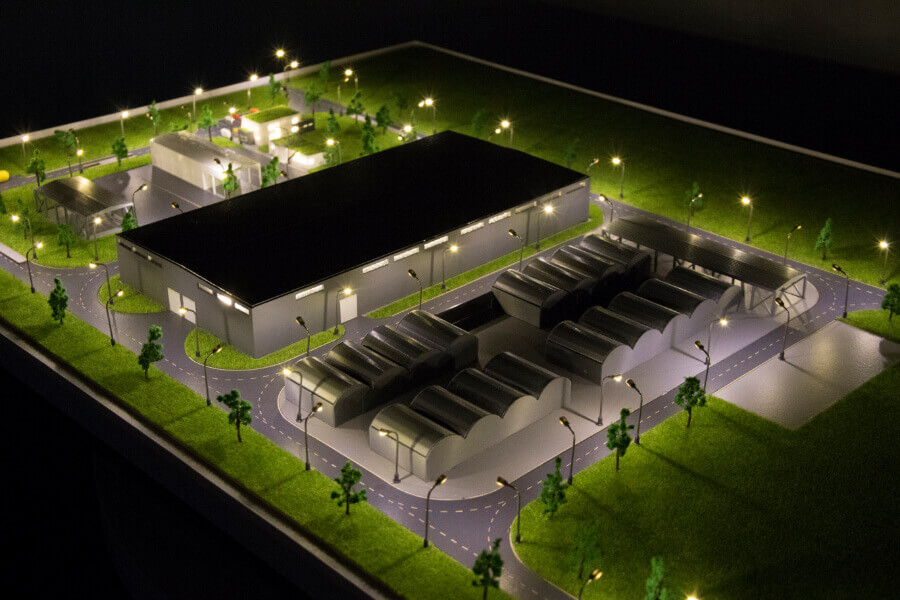
Techniques to Use:
- Touch-Activated Lighting: Adding touch-sensitive areas or buttons that allow viewers to control different lights can make the model more engaging. For example, users could activate interior lighting to explore various rooms or trigger outdoor lights to see how the space would look at night.
- Interactive Lighting Control Panels: A more advanced option involves providing viewers with a control panel or tablet that enables them to change the lighting conditions. They could simulate different times of the day or adjust the brightness of specific lights to better visualize how the design responds to environmental factors.
- Motion-Sensitive Lighting: For exhibition models, motion-activated lights that turn on as a viewer approaches the model can draw attention to specific features or simulate how the building would respond to the presence of people. For instance, entrance lights or pathway illumination could activate as someone moves around the model, giving an interactive experience.
- Layered Lighting for Phased Projects: For large-scale models of developments or multi-phase projects, lighting different sections can demonstrate how different phases will evolve. For instance, you could light up Phase 1 of the project, followed by subsequent phases, helping clients visualize how the complete development will take shape over time.

These interactive features allow users to explore the model in a more hands-on way, making the design process more collaborative and engaging.
Selecting the right lighting tools
To successfully incorporate lighting into architectural models, choosing the right tools and materials is essential. Common options include:
LED lights: LEDs are the most popular choice due to their small size, energy efficiency, and low heat emission. Available in various colors and tones, they can be easily integrated into models without the risk of damage.
Fiber optics: Fiber optics provide pinpoint lighting and are excellent for illuminating specific details like tiny windows or signage. They also offer the advantage of being easy to hide within the model, making them perfect for delicate or detailed designs.
Programmable lighting systems: For models that require dynamic lighting or interaction, programmable lighting systems can be integrated to control various lighting effects. These can be controlled via apps or specialized systems to simulate various lighting conditions, making the model adaptable to different presentations.
Incorporating lighting into architectural models does more than just enhance their aesthetic appeal; it brings them to life. By strategically highlighting design features, enhancing realism through simulated light conditions, and adding interactive elements, lighting makes architectural models more effective tools for communication.