The concept of green buildings has emerged as a critical component of sustainable development. As the world grapples with climate change and environmental degradation, green buildings offer a promising solution to reduce energy consumption, minimize waste, and promote healthier living environments.
What Are Green Buildings?
Green buildings, also known as sustainable or eco-friendly buildings, are designed and constructed with the aim of reducing their overall impact on the natural environment and human health. This is achieved through efficient use of energy, water, and other resources, reducing waste and pollution, and creating indoor environments that promote health and well-being.
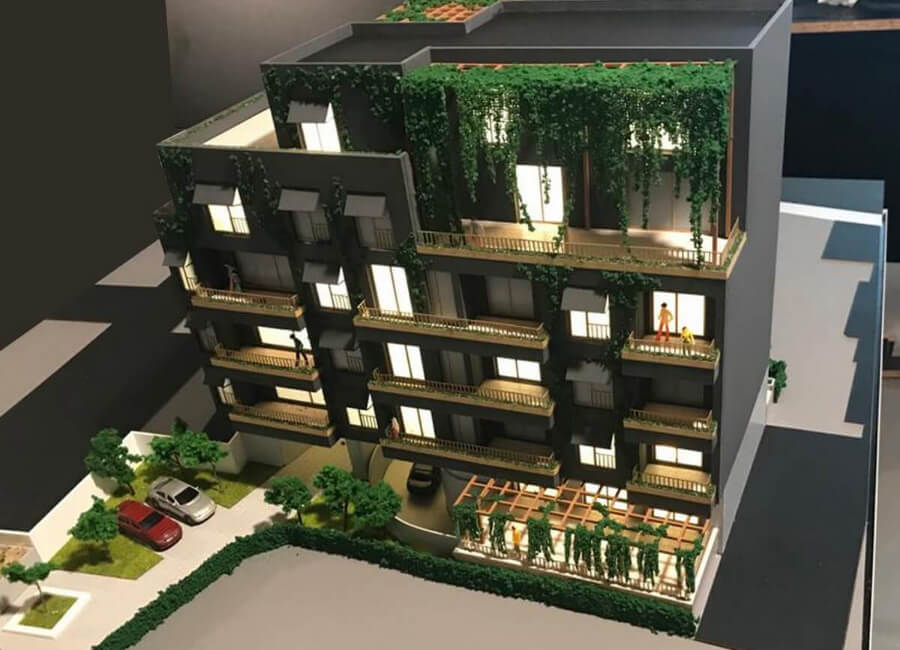
Key features of green buildings include:
- Energy efficiency: Utilizing renewable energy sources such as solar, wind, or geothermal power, and incorporating energy-efficient appliances and lighting systems.
- Water efficiency: Implementing systems for rainwater harvesting, greywater recycling, and the use of low-flow fixtures to reduce water consumption.
- Material efficiency: Using sustainable, recycled, or locally sourced materials that have minimal environmental impact.
- Indoor environmental quality: Ensuring good indoor air quality through proper ventilation, using non-toxic building materials, and incorporating natural light.
- Sustainable Landscaping: Employing native plants, green roofs, and permeable surfaces to manage stormwater and reduce the urban heat island effect.
Benefits of Green Buildings
The benefits of green buildings extend beyond environmental impact, encompassing economic and social advantages as well.
Environmental Benefits
- Reduced carbon footprint: Green buildings significantly lower greenhouse gas emissions by using less energy from fossil fuels.
- Conservation of natural resources: Efficient use of water, energy, and materials conserves resources and reduces environmental degradation.
- Waste reduction: Through recycling and reusing materials, green buildings generate less waste during construction and throughout their lifecycle.
Economic Benefits
- Lower operating costs: Energy and water-efficient systems reduce utility bills, leading to significant cost savings over time.
- Increased property value: Green buildings often have higher market value and occupancy rates due to their sustainability credentials.
- Job creation: The green building sector creates jobs in areas such as design, construction, and maintenance of sustainable systems.
Social Benefits
- Healthier living environments: Improved indoor air quality and natural lighting contribute to better health and productivity of occupants.
- Enhanced quality of life: Access to green spaces and sustainable living conditions improve overall well-being.
- Community engagement: Green building projects often involve local communities, fostering a sense of ownership and responsibility towards sustainable living.

How green buildings contribute to a sustainable future
Green buildings are pivotal in addressing some of the most pressing global challenges, such as climate change, resource depletion, and urbanization. Here’s how they contribute to a sustainable future:
- Mitigating climate change
Buildings are responsible for a significant portion of global energy consumption and carbon emissions. By reducing energy use and incorporating renewable energy sources, green buildings help mitigate climate change and promote energy security.
- Promoting resource efficiency
Green buildings optimize the use of natural resources, reducing the strain on ecosystems. Water-efficient systems and sustainable materials help conserve resources and promote circular economies.
- Enhancing urban resilience
As cities grow, the need for sustainable urban infrastructure becomes more critical. Green buildings enhance urban resilience by managing stormwater, reducing heat islands, and providing green spaces that improve air quality and biodiversity.
- Encouraging sustainable lifestyles
Green buildings serve as models of sustainable living, encouraging individuals and communities to adopt eco-friendly practices. This cultural shift towards sustainability can have a profound impact on broader environmental goals.
Green buildings represent a forward-thinking approach to construction and urban development. By prioritizing environmental, economic, and social sustainability, they offer a comprehensive solution to some of the most significant challenges of our time. As technology advances and awareness grows, the proliferation of green buildings will be instrumental in shaping a sustainable, resilient, and healthier future for all.