In the competitive real estate industry, effectively showcasing properties can make all the difference in securing deals. While high-quality photos, virtual tours, and floor plans are essential, nothing quite compares to the tangible experience provided by architectural models.
These meticulously crafted representations of buildings or developments serve as powerful tools for real estate agencies, enabling potential buyers and investors to visualize projects in ways that two-dimensional images or even virtual models cannot. In this article, we will explore the various types of architectural models, their benefits, and how real estate agencies are using them to their advantage.
Types of architectural models for real estate
Architectural models come in various forms, depending on the scale, materials used, and the purpose they serve. The most common types include:
Scale models: These are physical representations of buildings, neighborhoods, or even entire cities, scaled down to fit on display tables or inside sales offices. Scale models typically focus on overall layout and key architectural features. They can be as small as a tabletop version of a single house or as large as a full development project.
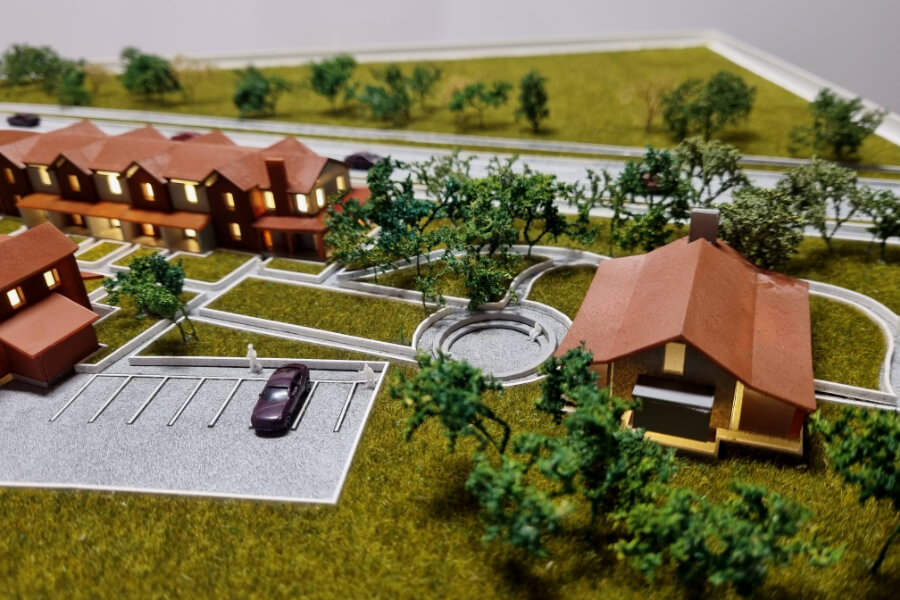
Site models: Unlike individual building models, site models show the relationship between a structure and its surrounding environment, including landscaping, roads, and adjacent buildings. This provides a holistic view of how a property fits into its broader community or location.
Interior models: These detailed models focus on the interior layout and design of a building, often featuring removable roofs or walls to provide a clear view of the rooms, floor plans, and even furniture placement. They allow clients to visualize how spaces flow together, especially in residential properties or commercial units.

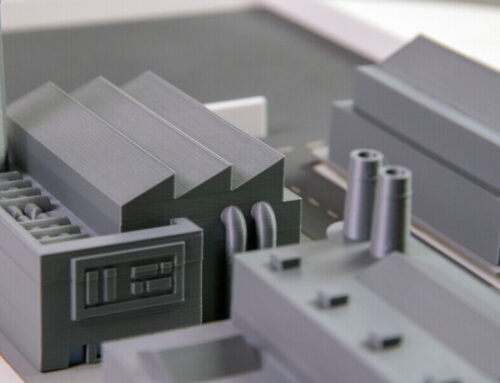
3D-printed models: With the rise of technology, 3D printing has revolutionized architectural model-making. This method is highly accurate and allows for quick revisions, which is particularly useful for real estate projects still in the conceptual phase. These models often serve as prototypes that can be iteratively developed based on client feedback.
How Real Estate Agencies Are Using Architectural Models
Sales Offices and Showrooms
For pre-sale properties or large developments, real estate agencies often display architectural models in their sales offices or showrooms. These models can range from a single unit to entire master-planned communities, offering clients a hands-on way to understand the scale and details of a project. Buyers can explore the proximity of amenities, the layout of public spaces, and even how their unit will relate to the overall development.
Property Expos and Trade Shows
Architectural models are frequently used by real estate agencies during property expos, trade shows, and conferences. These events attract potential buyers, investors, and industry professionals, and having a striking architectural model on display can set a project apart from the competition. The physical presence of a model draws attention and invites visitors to engage with the agency’s representatives.

Online Integration and Hybrid Approaches
In an increasingly digital world, many agencies are blending traditional architectural models with digital platforms. By creating 3D-rendered versions of physical models, real estate agencies can offer an immersive experience online.
Clients who may not be able to visit a showroom in person can still interact with the model, rotate it, and view it from various angles. Some agencies have gone further by integrating AR technology, allowing potential buyers to “place” a digital model in their own space or neighborhood.
Client and Investor Presentations
For larger commercial projects or mixed-use developments, real estate agencies frequently use architectural models during presentations to stakeholders.
This can include municipal planning committees, investors, or prospective business partners. Models provide a comprehensive overview of the project’s impact on its surroundings, making it easier to address concerns and highlight opportunities.