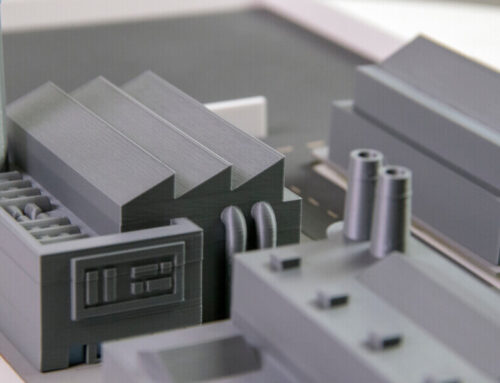
Architectural models have long been a staple in the field of design and construction, serving as tangible representations of architectural visions. These physical or digital models offer numerous benefits to architects, clients, and stakeholders alike, providing a deeper understanding of spatial relationships, design concepts, and structural feasibility. In this article, we explore the advantages of architectural models and shed light on their invaluable role in the architectural process.
- Visualization and Communication:
Architectural models serve as powerful visualization tools, enabling designers to convey their ideas with clarity and precision. By transforming abstract concepts into physical or digital representations, models facilitate effective communication between architects, clients, and project stakeholders.
Whether it’s a small-scale study model or a large-scale interactive digital model, these visualizations bring designs to life, helping all parties involved to visualize and understand the spatial qualities, proportions, and aesthetics of the proposed structure.

- Spatial Analysis and Design Validation:
Architectural models provide a tangible platform for spatial analysis and design validation. By physically interacting with a scale model, architects and clients can gain insights into the functionality and usability of the space.
Elements such as circulation patterns, sightlines, and ergonomic considerations can be evaluated, allowing for iterative design improvements before construction begins. This iterative process helps identify potential design flaws, optimize spatial layouts, and ensure that the final built environment meets the intended objectives.
- Enhanced Decision-Making:
Architectural models play a crucial role in facilitating informed decision-making throughout the design and construction process. By providing a physical representation of the proposed design, models enable clients and stakeholders to make well-informed choices regarding materials, finishes, lighting, and overall aesthetics.
Models can also aid in evaluating alternative design options and assessing their impact on the surrounding environment or urban context. The ability to physically visualize and compare different design iterations empowers decision-makers to select the most suitable and cost-effective solutions.

- Collaboration and Team Coordination:
Architectural models serve as powerful collaboration tools, fostering effective communication and coordination among project teams. These models allow architects, engineers, contractors, and other stakeholders to better understand the design intent, identify potential conflicts or coordination issues, and streamline decision-making processes.
The shared understanding facilitated by architectural models enhances teamwork, reduces misunderstandings, and ultimately leads to more efficient project delivery.
- Marketing and Client Engagement:
Architectural models are invaluable assets when it comes to marketing architectural projects and engaging clients. Physical models displayed at exhibitions or project presentations create a lasting impression, capturing the attention of potential investors, buyers, or tenants.
They serve as tangible representations that evoke emotions and generate excitement about the future built environment. In the digital realm, interactive 3D models or virtual reality experiences allow clients to immerse themselves in the design, experiencing the space from different perspectives and making informed decisions.

Conclusion:
Architectural models have stood the test of time as indispensable tools in the architectural design and construction process. From facilitating visualization and communication to aiding spatial analysis, design validation, decision-making, collaboration, and client engagement, these models offer numerous benefits to architects, clients, and stakeholders.
While technology continues to advance with digital modeling and virtual reality, the tangible nature of physical models remains deeply impactful. Incorporating architectural models into the design process enhances creativity, efficiency, and stakeholder satisfaction, paving the way for successful and inspiring architectural achievements.