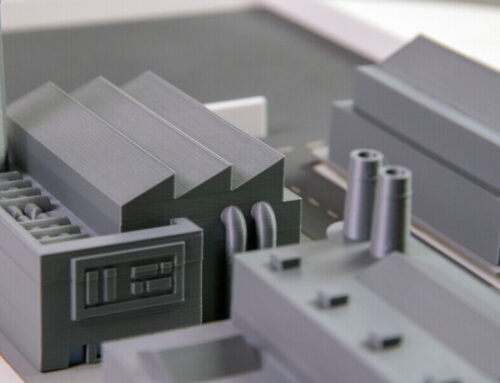
Architectural models serve as essential tools in resort design, capturing complex concepts in physical form, enabling investors, designers, and stakeholders to visualize the finished project. Resort models, whether digital or physical, offer a tangible sense of scale, aesthetic, and ambiance.
Resorts are unique architectural endeavors because they serve as havens of relaxation, luxury, and nature. Unlike standard hotels, resort projects must blend seamlessly with their environment, reflecting and enhancing the beauty of the surrounding landscape.

Resort architectural models offer advantages beyond mere visualization:
- Planning and Zoning: Models are valuable in discussions with planning boards and zoning authorities, as they can demonstrate compliance with regulations and illustrate how the project will enhance the local landscape.
- Environmental Impact Assessment: For eco-sensitive areas, models help environmental agencies visualize and evaluate how the resort will impact the surroundings, supporting the argument for sustainable practices.
Marketing and Sales: A well-made model serves as an impressive marketing tool, drawing potential investors and guests into the vision. Many high-end resorts feature these models in their lobbies or presentation centers to inspire visitors.
Architectural models for resorts enable the following:
Visual communication: Provides a clear and compelling representation of the design.
Error minimization: Reveals potential design flaws before construction begins.
Decision making: Assists investors and developers in making informed decisions about design changes or upgrades.
Marketing: Serves as a powerful tool in promotional materials to attract customers and investors alike.
Key elements in architectural models for resorts
Each resort has unique design elements, but several key features appear in most resort architectural models:
- Natural integration
Resorts often emphasize environmental harmony. The model may depict landscaping, water features, natural vegetation, and terrain variations to show how the resort integrates with the surrounding area. Sustainable resorts may emphasize eco-friendly materials and natural conservation zones.
- Water features
Water is integral to many resort designs, especially beach or lakeside resorts. Pools, ponds, and fountains are often focal points. Models may feature these water bodies in realistic form, using clear materials or paints that mimic water to show how they complement the architecture.
- Recreational areas
Recreation areas such as pools, spas, gyms, golf courses, and children’s play zones are significant in resorts. Models highlight these areas, often with miniature furnishings and landscaping that give an accurate sense of their aesthetic and functionality.
- Accommodation layouts
The arrangement and types of accommodations—villas, suites, bungalows—are central to a resort’s identity. In the model, designers pay particular attention to these areas, showcasing the variety, privacy levels, and positioning to convey the ambiance of luxury or seclusion.
- Pathways and connectivity
Pathways connecting various resort areas are essential for user flow and accessibility. Resort models may include pathways, roads, and boardwalks that provide a sense of scale and layout while revealing how guests will navigate the space.
Architectural models are indispensable in the planning, development, and promotion of resort projects. By capturing the intricate details of layout, design, and natural harmony, these models help designers and stakeholders shape and refine the concept into an exceptional and immersive final product.