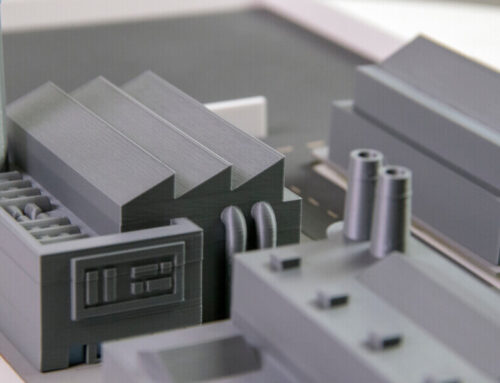
In the dynamic realm of real estate, pre-construction marketing plays a pivotal role in capturing the imagination of potential buyers, investors, and stakeholders. Among the array of marketing tools available, architectural models stand out as compelling assets that not only showcase a property’s design but also offer a tangible, immersive experience.
These meticulously crafted models serve as more than just aesthetic representations; they are invaluable instruments that influence decision-making and drive enthusiasm for upcoming developments.
- Captivating visualization of vision
Architectural models act as visual ambassadors for yet-to-be-built structures. They transform blueprints and renderings into captivating, three-dimensional representations, allowing prospective buyers to envision the final product in a tangible and realistic manner.

By showcasing the scale, design details, and spatial layout, these models evoke a sense of immersion, helping potential clients grasp the ambiance and functionality of the future space.
- Compelling sales and investment tools
The persuasive impact of architectural models on sales and investment cannot be overstated. Their physical presence in sales galleries, showrooms, or presentations captivates attention and sparks interest.
The tactile nature of these models fosters a deeper connection between the audience and the property, instilling confidence and aiding decision-making. For investors, these models serve as compelling visual aids, enabling them to assess potential returns and make informed investment choices.
- Enhancing communication and understanding
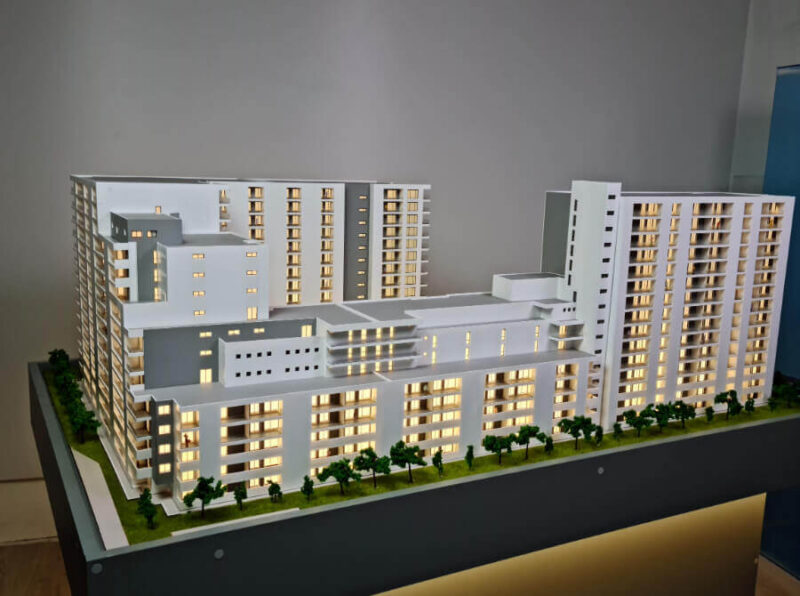
Effective communication is key in real estate transactions. Architectural models serve as a universal language, bridging the gap between developers, architects, and clients. They facilitate discussions by providing a shared visual reference, enabling stakeholders to easily comprehend design elements, spatial relationships, and project scope.
This clarity minimizes misunderstandings and accelerates the decision-making process.
- Showcasing unique features and differentiation
Every property has unique selling points, and architectural models excel in highlighting these distinguishing features. Whether it’s innovative design elements, strategic use of space, or luxurious amenities, models accentuate these aspects, setting the development apart from others in a competitive market. They create a memorable impression and leave a lasting impact on potential buyers, making the property stand out in their minds.
- Facilitating design iterations and refinements
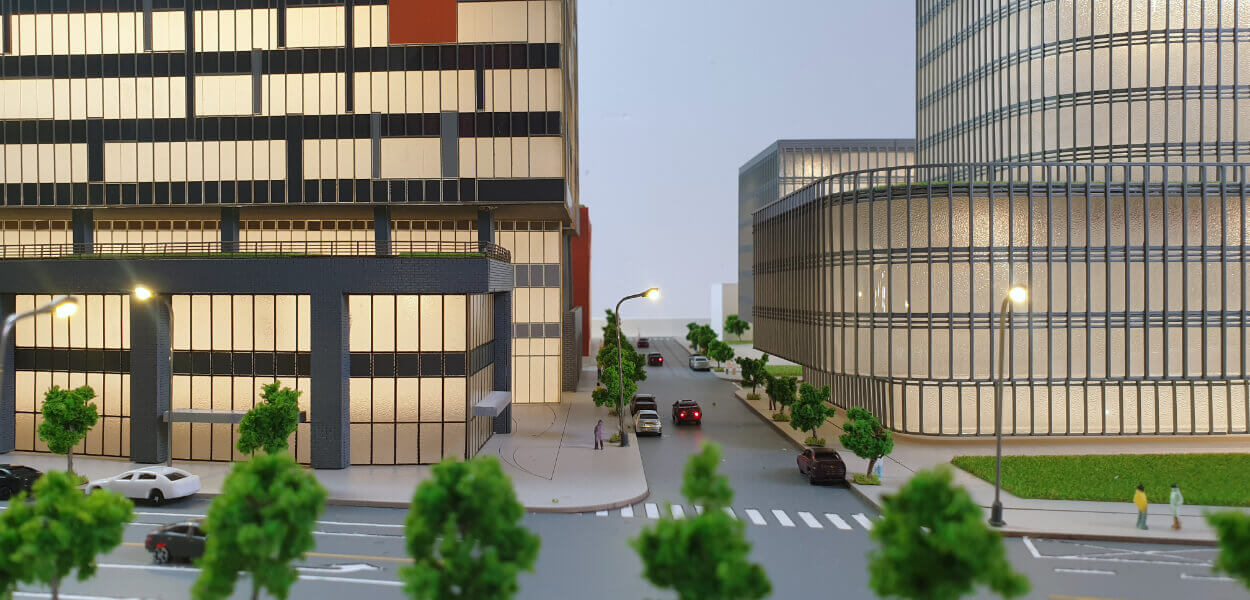
Architectural models aren’t just for presentation; they also aid in refining designs. They serve as physical prototypes that allow developers and architects to assess and fine-tune various aspects of the project.
By observing the model from different angles and perspectives, they can identify potential flaws or opportunities for improvement before actual construction begins, potentially saving time and resources.

In the realm of pre-construction marketing, architectural models emerge as powerful catalysts in influencing perceptions, driving sales, and fostering informed decision-making. Their ability to bring abstract designs to life, communicate effectively, showcase uniqueness, and facilitate refinement makes them indispensable assets in the real estate industry.
As the market continues to evolve, these models will remain an enduring and essential tool in captivating imaginations and transforming visions into reality.