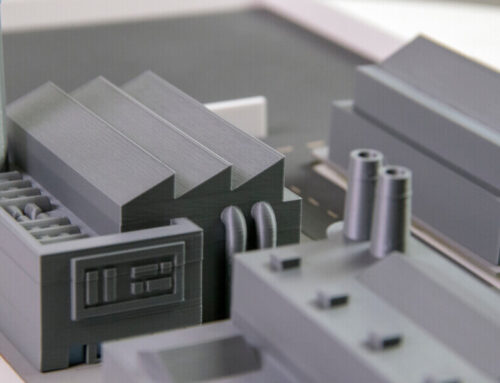
In the realm of design and innovation, the utilization of conceptual scale models stands as a testament to the power of visualization and iteration. These scaled-down replicas serve as more than just miniature representations; they encapsulate ideas, foster creativity, and fuel the iterative process in various fields ranging from architecture and engineering to product design and urban planning.
Unveiling the essence of Conceptual Scale Models
At their core, conceptual scale models are tangible manifestations of creative vision and meticulous planning. They transcend the limitations of blueprints and sketches by offering a three-dimensional, hands-on representation of a concept or design. Through these models, abstract ideas solidify into tangible forms, enabling designers, engineers, and stakeholders to interact with and understand complex concepts more effectively.

- Catalysts of creativity and innovation
The significance of conceptual scale models lies in their ability to catalyze creativity and innovation. They serve as platforms for experimentation, encouraging designers to explore alternative ideas and refine concepts. By physically manipulating these models, creators gain insights that might elude them in the realm of digital simulations or theoretical discussions.
- Enhancing communication and collaboration
In collaborative environments, conceptual scale models act as universal languages that transcend barriers in communication. They serve as focal points during discussions, enabling stakeholders with diverse backgrounds to engage meaningfully in the design process. These models facilitate clearer communication of ideas and aid in aligning the vision among team members, clients, and investors.
- Iteration and problem-solving tools
The iterative nature of design and innovation finds a perfect ally in conceptual scale models. These models serve as tools for identifying flaws, testing hypotheses, and iterating on designs efficiently. By physically manipulating and altering these scaled-down versions, designers can swiftly implement changes and explore multiple iterations in a cost-effective manner before committing to full-scale production.

- Applications across diverse fields
The versatility of conceptual scale models extends across various industries. In architecture, these models help visualize structures before construction begins, allowing architects to assess spatial relationships and aesthetic elements. In engineering, they aid in testing prototypes and validating design concepts. Even in urban planning, scale models of cities facilitate envisioning future landscapes and infrastructure.
- Embracing technology’s evolution
While traditional craftsmanship plays a pivotal role in creating these models, technology has revolutionized their creation. Advanced software, 3D printing, and rapid prototyping techniques have augmented the precision and speed of developing conceptual scale models. This marriage of traditional techniques with modern technology has propelled the efficiency and accuracy of the design process.
- Future prospects and conclusion
As technology continues to evolve and our understanding of design deepens, the role of conceptual scale models remains indispensable. Their ability to bridge the gap between imagination and realization, foster collaboration, and streamline the design process makes them invaluable tools for innovation.
In conclusion, conceptual scale models embody the essence of creativity, innovation, and collaboration. They transcend mere representations, becoming catalysts for transformative ideas and instrumental tools in shaping our future.
Their allure lies not just in their physicality but in the doors they open within the realms of imagination and innovation—a testament to their enduring significance in the ever-evolving landscape of design and creativity.