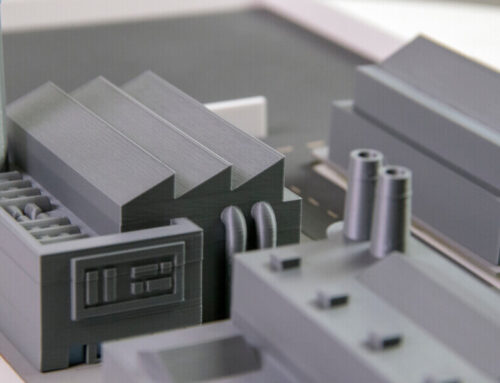
In a world where digital simulations dominate, there’s an enduring charm and significance in the tactile, physical representations of ideas—the scale model. These miniature replicas serve as powerful tools, transcending the limitations of screens to bring concepts to life in three dimensions.
From architecture and engineering to product design and urban planning, the art of crafting presentation and display scale models continues to hold sway, captivating imaginations and conveying intricate details with precision.

Scale models are more than mere replicas, they’re storytellers in physical form. They evoke emotions, elucidate complex designs, and offer tangible insights into future projects. Architects, designers, engineers, and artists harness the potential of scale models to communicate their visions effectively, whether it’s for a towering skyscraper, an innovative product, or an expansive urban development.
- Precision and detail:
The essence of a scale model lies in its accuracy and attention to detail. Every minute facet, from the texture of materials to the placement of structural elements, is meticulously replicated. Modern technologies like 3D printing and laser cutting have revolutionized the precision achievable in these models, allowing for unparalleled intricacy and realism.

- Communicating
In fields like architecture and urban planning, where blueprints and digital renderings often fall short, scale models serve as indispensable communication tools. They allow stakeholders to grasp the spatial relationships, understand the flow of design, and visualize the end product in a tangible and accessible manner. These models facilitate discussions, streamline decision-making, and bridge the gap between abstract concepts and concrete understanding.
- Evolving techniques:
Advancements in materials and techniques continually push the boundaries of scale model craftsmanship. From traditional handcrafted models using wood, cardboard, and foam to incorporating cutting-edge technologies like augmented reality and interactive elements, the spectrum of possibilities has expanded exponentially. Incorporating lighting, movable parts, or interactive elements elevates these models, transforming them into immersive experiences.

- Bridging imagination and reality
The allure of scale models isn’t confined to professional circles—it extends to enthusiasts and collectors who appreciate the craftsmanship and artistry behind these miniature marvels. Hobbyists often spend countless hours meticulously assembling model kits, indulging their fascination with historical monuments, iconic buildings, or fantasy worlds.
- Sustainable solutions:
As the world moves towards sustainability, scale models mirror this shift. Sustainable materials, such as recycled plastics and biodegradable substances, are increasingly being integrated into the construction of these models. Additionally, digital tools aid in reducing waste by allowing for precise measurements and minimizing trial and error in the fabrication process.

- Future perspectives:
The future of scale models appears promising, with a blend of traditional craftsmanship and cutting-edge technology shaping its trajectory. Augmented reality, virtual reality, and interactive elements will likely further augment the immersive experience of these models. Moreover, the integration of artificial intelligence could streamline the model-making process, enhancing efficiency without compromising precision.
In an era inundated with digital visualizations, the enduring relevance and charm of presentation and display scale models persist. They serve as ambassadors of creativity, precision, and communication, embodying intricate visions and transforming them into tangible, awe-inspiring realities.
Whether adorning exhibition halls or standing as testament to artistic craftsmanship, scale models continue to captivate, inspire, and bridge the gap between imagination and reality.