The world of real estate is characterized by its ever-evolving nature, constantly adapting to new trends and technologies. In this dynamic landscape, architectural models have become indispensable tools for both real estate developers and potential buyers.
These intricate and detailed models not only help visualize a project but also serve as powerful marketing tools. In this article, we explore the significance of architectural models in the real estate industry and their various types and applications.

- The Importance of Architectural Models
Architectural models are more than just physical representations of buildings; they are powerful tools that provide numerous benefits to real estate professionals and potential buyers. Here are some of the key reasons why architectural models are highly regarded in the industry:
Visualization: Perhaps the most obvious benefit of architectural models is their ability to bring concepts to life. They allow stakeholders to see, touch, and feel a project before it’s even built, offering a tangible representation of the design. This aids in making informed decisions and understanding spatial relationships.
Marketing and Sales: Architectural models are powerful marketing tools. They help real estate developers showcase their vision to potential buyers, investors, and lenders. A well-crafted model can captivate the imagination and facilitate the sales process.
Design Review: Architects and designers often use models to refine their concepts and identify potential issues before construction begins. This proactive approach can save both time and money during the building process.
Investor Confidence: For investors, architectural models offer a level of assurance. When they can see a physical representation of the project, it instills confidence in the potential success of their investment.
- Types of Architectural Models
Architectural models come in various types, each serving a specific purpose and offering unique advantages. The choice of model type depends on the project’s scale, budget, and intended use. Some of the most common types include:
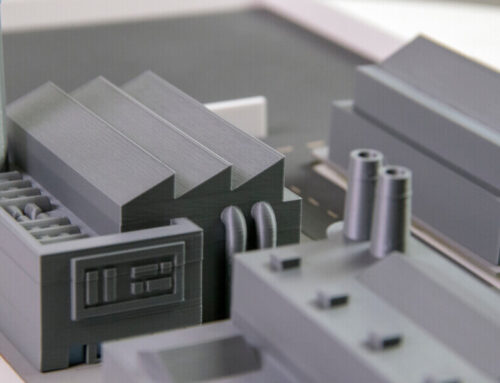
Conceptual Models: These are basic, abstract representations of the project, often used in the early design phase. They are excellent for conveying the overall vision and design intent.
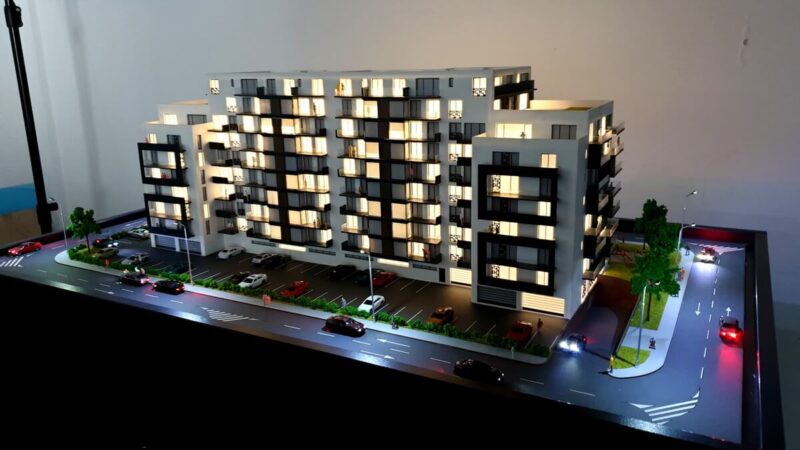
Presentation Models: These are detailed, visually appealing models designed to showcase the project to stakeholders, including potential buyers and investors. They often incorporate landscaping, lighting, and other features to create a realistic representation.
Site Models: Site models focus on the entire property, including buildings, landscaping, and surrounding infrastructure. They help in understanding how a development integrates with its environment.
Interior Models: These models concentrate on the interior spaces, helping to convey the layout and design of rooms, furnishings, and finishes. They are invaluable for presenting the feel and ambiance of the space.
Master Plan Models: For large-scale developments like communities or mixed-use complexes, master plan models show the project’s overall layout, including buildings, open spaces, roads, and amenities.

- Applications of Architectural Models
Architectural models are used in various stages of real estate development and have a wide range of applications:
- Project Development: Models are essential for conveying the design vision to stakeholders and for design development, helping refine the concept.
- Marketing: High-quality models play a crucial role in marketing real estate projects, creating interest and excitement among potential buyers and investors.
- Zoning and Permitting: Models can be used in zoning and permitting processes, helping to explain the project to local authorities and obtain necessary approvals.
- Sales Centers: Real estate developers often set up sales centers with models to provide potential buyers with a clear understanding of the project’s offerings.
- Public Outreach: For large developments, models can be used in public meetings and outreach efforts to engage with the community and address concerns.

Architectural models have firmly established their place in the real estate industry as vital tools for design, marketing, and project development.

They bridge the gap between abstract concepts and concrete reality, allowing all stakeholders to engage with and understand a project’s potential. In a world where visual communication is paramount, architectural models continue to be invaluable assets for the real estate industry, helping to turn dreams into reality.