In a rapidly evolving digital landscape, interactive scale models have emerged as a groundbreaking technology that revolutionizes the way we perceive and interact with the world around us. These interactive representations provide a compelling and immersive experience that goes beyond static images or traditional models.
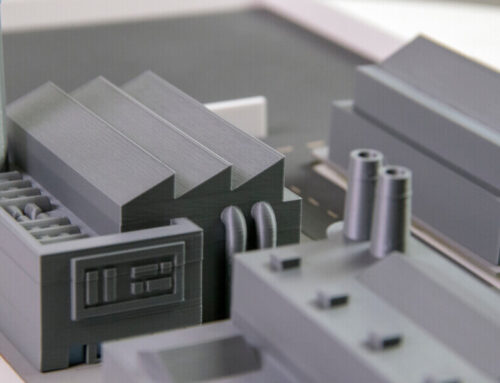
Interactive scale models are models thanks to which potential customers can more easily notice the facility that is going to be built, but also study closely the technological process and other representative elements.
The interactivity that they can experience can be simple, from allowing the lighting of a few LED lights to illuminate certain parts of the model, to the introduction of more complex elements, such as the addition of small engines which will facilitate the movement of certain parts specific to the technological process, such as conveyor belts or solar panels which have the ability to rotate depending on the sun to maximize energy efficiency.
What are Interactive Scale Models?
Interactive scale models are digital replicas of physical objects, products, or environments. They are designed to allow users to explore and interact with these models in a dynamic and engaging way. They offer an unprecedented level of interactivity and can be utilized across various industries and applications.
- Architecture and Real Estate:
Interactive scale models are a game-changer for architects and real estate developers. They allow clients to take a tour of a building or property, exploring every detail as if they were physically present.
- Product Design and Prototyping:
Product designers use interactive scale models to fine-tune and visualize their creations, making it easier to detect design flaws and optimize their products before production.
The Advantages of Interactive Scale Models:
Immersive Learning: These models provide a hands-on experience, making learning more engaging and effective. They cater to different learning styles, ensuring that information is retained more efficiently.
Enhanced Decision-Making: For professionals, interactive scale models enable better decision-making by allowing them to visualize, analyze, and test scenarios before committing resources.
Accessibility: Interactive scale models can be accessed from various devices, making them accessible to a broad audience.

Interactive scale models represent a thrilling leap forward, redefining how we engage with information and the world around us. Their applications span a multitude of industries, offering innovative solutions for education, design, entertainment, and more.
As this technology continues to evolve, we can expect even more immersive and creative applications that will shape the future of interactive learning and engagement.