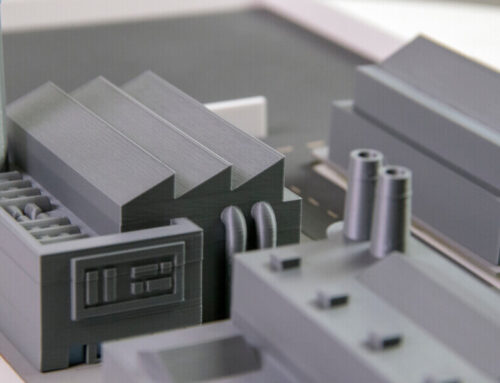
Industrial scale models are a fascinating aspect of modern engineering and manufacturing processes. These large-scale replicas play a crucial role in various industries, allowing engineers, architects, and designers to visualize, test, and optimize complex projects before they are executed on a massive scale.
Industrial scale models offer invaluable insights into the functionality, feasibility, and aesthetics of ambitious projects. In this article, we will delve into the world of industrial scale models, exploring their significance, applications, and the advantages they bring to diverse industries.
Enhancing Design and Decision-Making:
Industrial scale models provide a tangible representation of projects that are often too complex or expensive to prototype in full scale. By creating scaled replicas, engineers and designers can visualize their concepts and gain a better understanding of the project’s physical dimensions, spatial arrangements, and overall aesthetics.
This aids in making informed decisions during the design phase, allowing for adjustments and improvements to be made before significant investments are made. Whether it’s an architectural firm planning a large-scale urban development or an automotive company designing a new production line, industrial scale models offer invaluable insights into the functionality and efficiency of the final product.
Testing and Optimization:
One of the most significant advantages of industrial scale models is their ability to simulate real-world conditions and test various scenarios before implementation. By integrating functional elements and components, engineers can assess the performance, reliability, and safety of their designs.
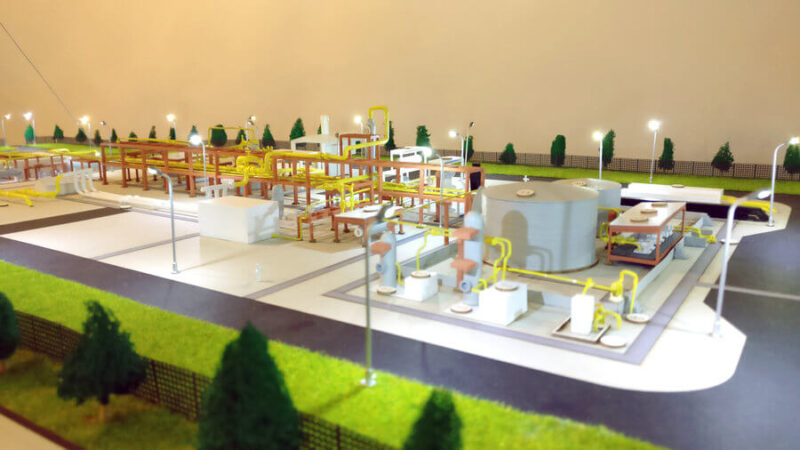
Efficient Communication and Collaboration:
Industrial scale models serve as powerful communication tools, facilitating collaboration among multidisciplinary teams. These models provide a shared visual reference that bridges the gap between technical experts, project stakeholders, and decision-makers.
By presenting a physical representation of the project, industrial scale models make it easier for non-technical individuals to grasp complex concepts and contribute to the decision-making process. This enhances communication, reduces misunderstandings, and ultimately leads to more effective collaboration.
Public Engagement and Stakeholder Buy-In:
In addition to aiding internal collaboration, industrial scale models also play a crucial role in engaging the public and obtaining stakeholder buy-in. Large-scale infrastructure projects, such as bridges, stadiums, or urban developments, often require public approval and support.

By showcasing visually impressive and accurate scale models, developers can effectively convey their vision to the public, addressing concerns, and garnering support. These models help stakeholders visualize the final outcome, allowing them to provide feedback and make informed decisions regarding the project’s development.
Conclusion:
Industrial scale models represent a powerful tool in the hands of engineers, architects, and designers across various industries. They enable efficient decision-making, facilitate collaboration, and provide realistic simulations to optimize projects before implementation.

From enhancing design processes and testing functionalities to engaging stakeholders and obtaining public support, these models are invaluable in driving innovation and ensuring successful project outcomes. As technology continues to advance, industrial scale models are likely to become even more sophisticated, further revolutionizing the way we conceptualize, plan, and execute large-scale projects.