Project Description
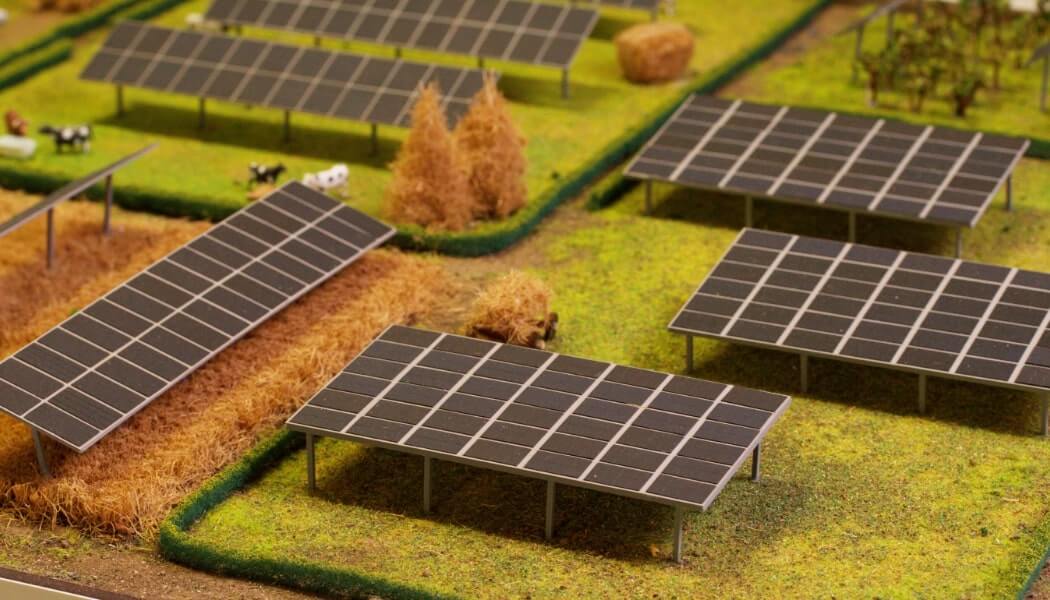
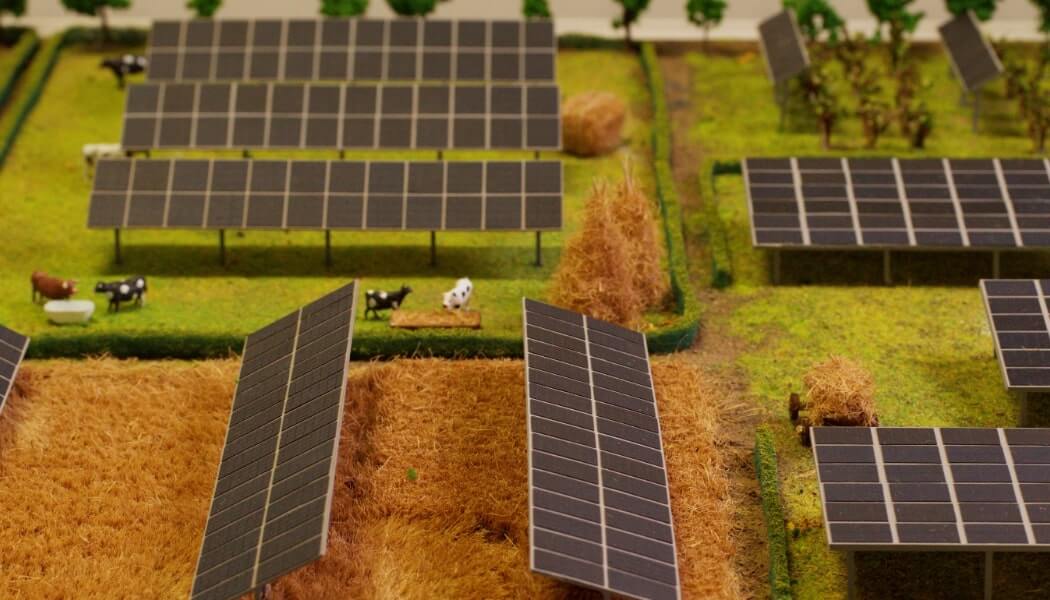
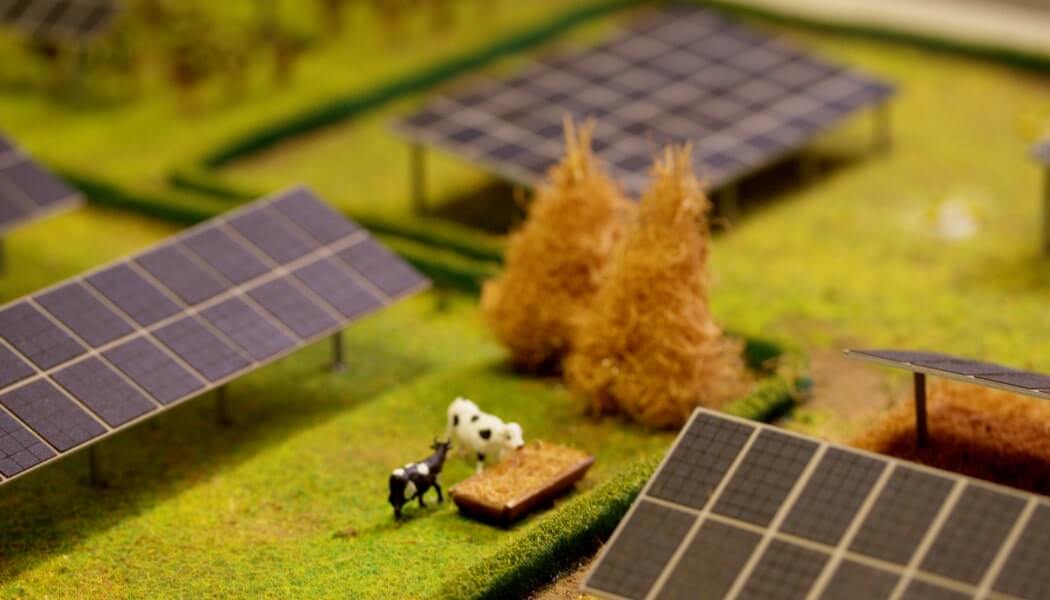
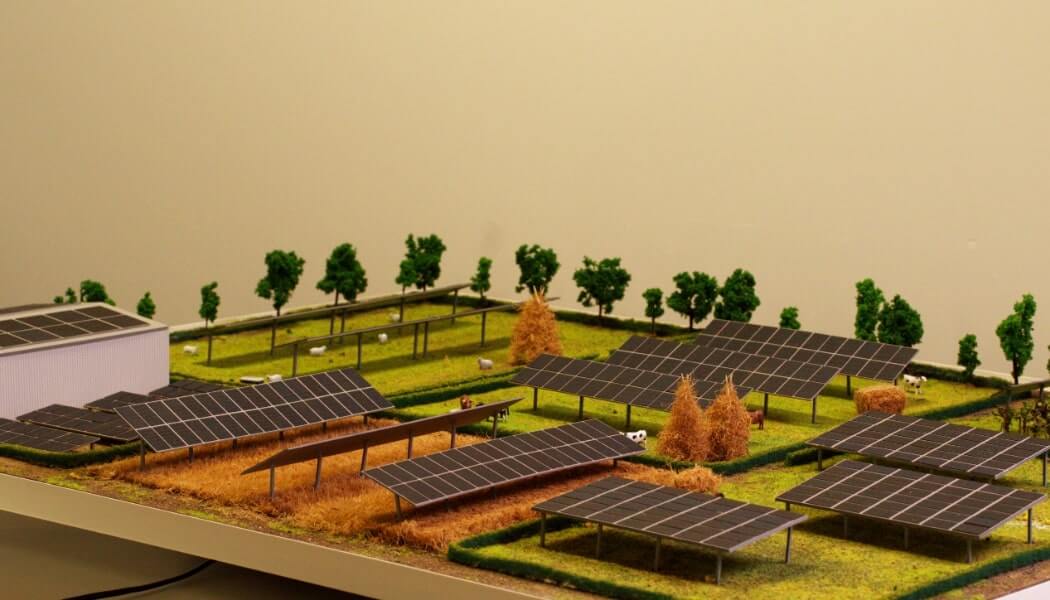
Agrivoltaic farming, also known as solar farming, is a sustainable agricultural practice that involves the co-location of solar panels with agricultural crops or livestock within the same land area.
In agrivoltaic systems, solar panels are installed above crops or integrated into the agricultural landscape, providing shade and generating renewable energy while still allowing crops to grow beneath.

Benefits of Agrivoltaic Farming
- Land use efficiency: Agrivoltaic systems make more efficient use of land by allowing for both agricultural production and renewable energy generation on the same parcel of land.
- Increased crop yields: The shading provided by solar panels can help reduce water evaporation, control temperature extremes, and mitigate the effects of climate change, leading to potentially higher crop yields and improved crop quality.
- Energy generation: Solar panels generate clean, renewable energy, which can be used to power on-farm operations or sold back to the grid, providing an additional revenue stream for farmers.
- Environmental benefits: By generating renewable energy and promoting sustainable agriculture practices, agrivoltaic systems can help reduce greenhouse gas emissions and mitigate climate change.
- Economic viability: Agrivoltaic systems have the potential to provide additional income for farmers through the sale of renewable energy and may help diversify farm revenue streams.